Read This Before You Order That Quebec Baptism Record for Citizenship
*This post may have affiliate links, which means I may receive commissions if you choose to purchase through links I provide (at no extra cost to you). All opinions remain my own
If you’re applying for Canadian citizenship and need a Quebec baptism record, it can feel like a straightforward task.
Find the name.
Locate the record.
Order a copy.
Done, right?
Not quite.
A baptism record can be one of the most useful records in Quebec research. But it’s also one of the easiest to misinterpret or attach to the wrong person if you’re not careful.
And if you’re using that baptism record to support a citizenship application, accuracy matters.
I’m Jessica, a professional genealogist with over 20 years of personal research experience. I specialize in Quebec and New England research, especially French Canadian records.
If you’re trying to track down a baptism record for citizenship or family history, you don’t have to figure it out alone.
You can book a free 20-minute consultation with me to talk through your situation and next steps.
Why Baptism Records Are So Important (and why they’re tricky)
A baptism record is the closest thing you’ll get to a birth record in Quebec, especially before civil registration.
Here’s what a baptism record usually includes:
Child’s name
Date of baptism and birthdate
Parents’ names
Father’s occupation
Godparents’ names
That last one matters more than most people think.
Godparents were often relatives or close family friends. That means a baptism record can help you:
Confirm parent relationships
Identify extended family
Separate people with the same name
But here’s the tricky part.
A baptism record only helps if it belongs to the right person.
And that’s where a lot of people run into problems.
Mistake #1: Assuming the Right Name = the Right Person
I see this all the time.
Someone finds a baptism record with the right name and roughly the right year, and they assume it’s correct.
But in Quebec, that’s risky.
French Canadian families reused names. A lot.
You might find:
Multiple children with the same name in the same extended family
Cousins with identical names living in the same parish
Families using “dit” names (alternate surnames), which adds another layer
Parents reusing names when a child died
So when you grab the first baptism record that looks right, you might actually be attaching the wrong person to your tree.
And once that happens, everything that follows can go off track.
Mistake #2: Not Understanding What the Record Actually Says
Even if you find the right baptism record, you still need to understand it.
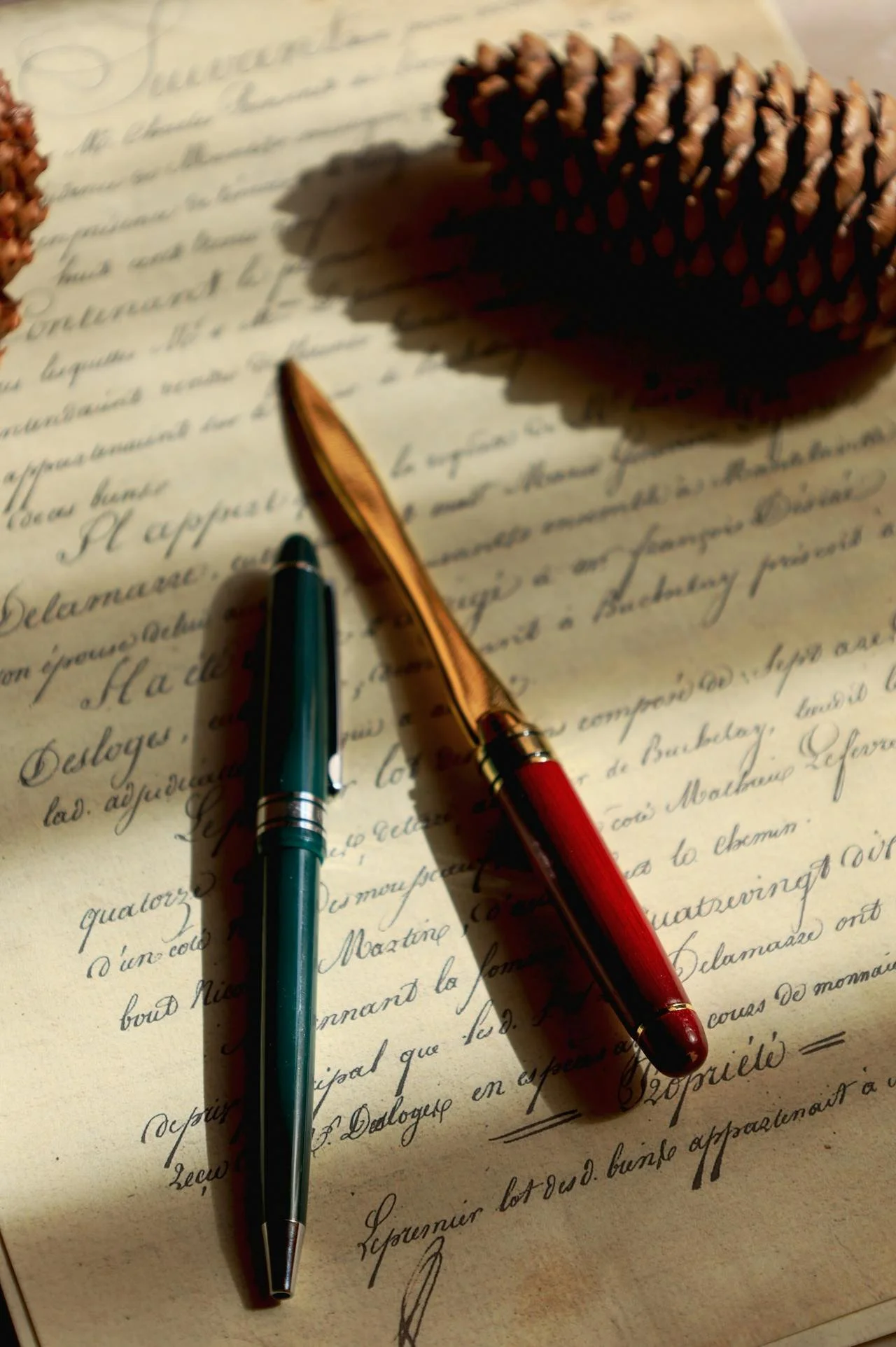
Quebec parish records are in French. Older ones may include Latin terms or older handwriting styles.
And I’ll be honest.
Even if you’ve taken French in school, these records can still be hard to read.
If you misread:
A parent’s name
A date
A location
You could misidentify the entire family.
Learning how to read old handwriting is a skill that directly impacts how well you use a baptism record.
Or, if you’d rather not spend hours deciphering one document, you can book a personalized research package and I’ll do it for you.
Mistake #3: Searching Without a Plan (BANQ Struggles)
If you’ve used BANQ (Bibliothèque et Archives nationales du Québec), you already know.
It’s an incredible resource.
It’s also not the easiest to navigate.
A lot of people jump in, search a name, and hope for the best.
But without a plan, you’ll run into:
Too many results
Missing records you should’ve found
Confusion about parishes and locations
A baptism record doesn’t exist in isolation. It’s tied to a specific place and time.
If you don’t understand:
Which parish your ancestor belonged to
What records exist for that parish
How the records are organized
You’re basically guessing.
And guessing slows everything down.
If you want a structured way to approach this, my Locality Research Navigator can help you map out exactly what records exist in a specific area and how to find them. It’s designed to keep you from wasting time searching in the wrong places (which happens more than people realize).
The Better Approach: How to Confirm You Have the Right Person
Before you rely on a baptism record, I walk through a simple process.
Step 1: Start with what I know
I gather everything I already have, both from Canada and the US::
Census records
Marriage records
Death records
These records often confirm names, ages, and locations.
Step 2: Build a quick timeline
I map out key events:
Birth (estimated if needed)
Marriage
Children’s births
Death
This helps me see:
If dates line up
If locations stay consistent
If something doesn’t fit, that’s a clue I need to look closer.
Step 3: Use multiple records to confirm identity
I don’t rely on just one source.
Instead, I look for patterns:
Same parents’ names across records (which are often Anglicized or can have wildly different spellings)
Same location over time
Consistent age ranges
One baptism record alone isn’t proof. Multiple records together are.
Step 4: Then find and verify the baptism
Only after I’ve done all of that do I go looking for the baptism record.
When I find it, I check:
Do the parents match what I already know?
Does the parish align with where the family lived?
Do the godparents offer any clues?
If everything lines up, I can feel confident I’ve got the right record.
A Quick Note on Citizenship Applications
If you’re looking for a baptism record for citizenship, there are a few practical things to keep in mind.
Certified copies are often preferred, but they’re not always required right away
You can request certified copies from BANQ
The application process is in French
Supporting records (like Canadian census records) can strengthen your case
A few things people don’t always expect:
If something is missing, you’re usually given a chance to provide more information
Photo requirements are not the same as passport photos
DNA evidence does not count for these applications
If you need help pulling everything together, I offer custom quotes for citizenship-related genealogy projects.
And just to be clear: This is for informational purposes only and not legal advice. If you have legal questions, it’s best to speak with an immigration lawyer.
When to Get Help
Sometimes you can move forward on your own. Other times, it saves a lot of time to bring in help.
You might be at that point if:
“I found a baptism record but can’t read it.”
“I found multiple people with the same name.”
“I know the birthplace and date from an online tree, but don’t know how to find it.”
“I have no idea where to look next.”
If that sounds familiar, you have a couple of options:
Hire me for Done For You research (5 hours or 10 hours)
Or start with a free 20-minute consultation to figure out what makes the most sense for your goals
Want to Keep Learning?
If you’re working on Quebec research, these will help you go deeper:
Each one builds on what you need to understand records like a baptism record.
Final Thoughts
A baptism record can answer big questions about your family.
But only if it’s the right one.
And only if you understand what it’s telling you.
Take a step back before you order that record. Build your context first.
If you want help making sure you’re on the right track, book a free consultation or reach out for a custom quote.
I’m always happy to help you move forward with your research.