Online Archive Of California: A Practical Genealogy Guide For Finding Hidden Records
*This post may have affiliate links, which means I may receive commissions if you choose to purchase through links I provide (at no extra cost to you). All opinions remain my own.
If you’ve ever felt like your research hit a wall right after you found the “big four” records, the Online Archive of California (OAC) can help you move forward. The OAC is a free tool that points you to archival collections across California, so you can discover what materials exist and where they’re held before you email anyone or step into a reading room.
As a professional genealogist who works with family historians at this exact stage, I see the same pattern all the time. Someone has built a solid foundation using censuses, vital records, and maybe a few newspapers. Then they ask the question that matters: who was this person when they weren’t being counted, taxed, married, or buried?
That’s when archives become your secret weapon.
The Story Records Most People Never Look For
Traditional genealogy databases are great at proving relationships. They’re not always great at showing personality and daily life.
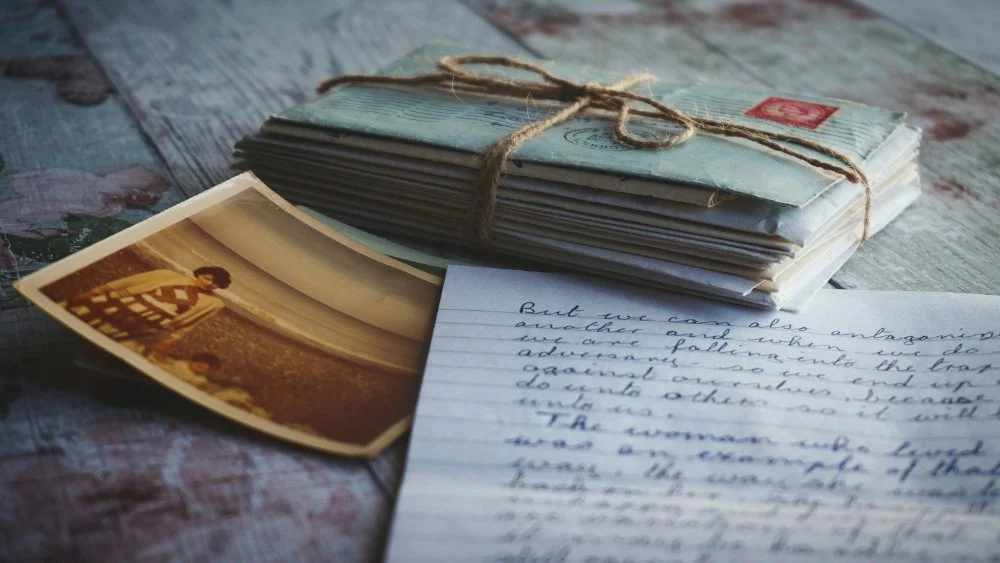
Archives often hold the story stuff:
Diaries
Scrapbooks
Club minutes
Membership lists
Business records
And community collections.
Here’s the tricky part: a lot of those materials aren’t digitized. You can’t always search them with a simple name search the way you can with a census index. That’s where the Online Archive of California shines, because it helps you find collection descriptions that tell you what exists, who created it, and how to access it.
What The Online Archive Of California Is (And What It Isn’t)
The Online Archive of California is a discovery tool. It doesn’t store all the physical materials in one place. Instead, it brings together collection guides from hundreds of California repositories, including libraries, museums, historical societies, and university special collections.
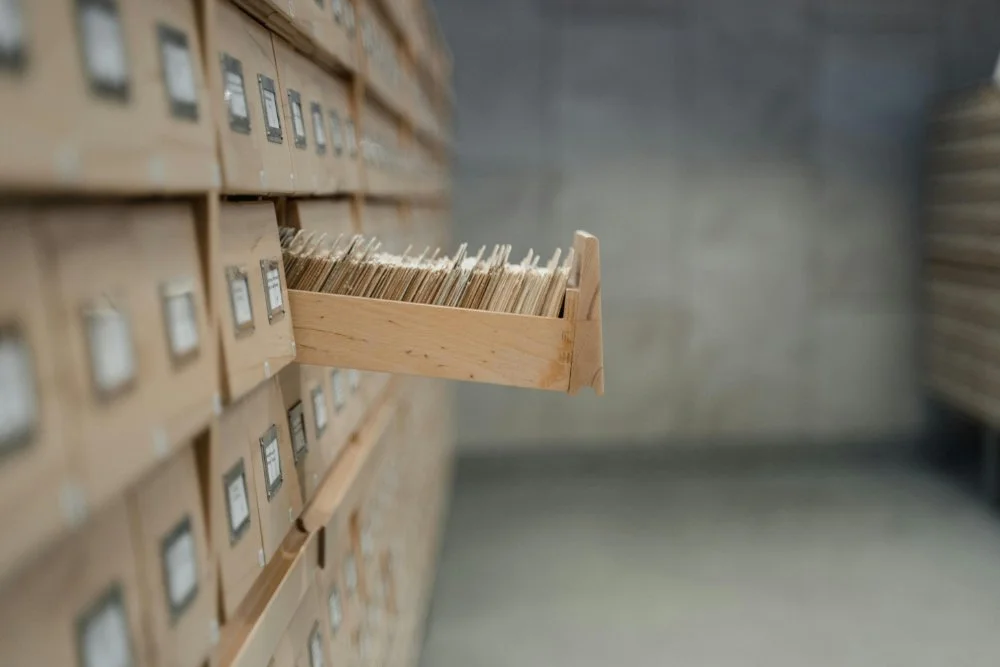
Those collection guides are often called finding aids. Don’t let that term scare you off. A finding aid is basically a well organized description of a collection. It tells you:
What the collection covers
What types of materials are included
What years and places it spans
How it’s arranged (sometimes down to boxes and folders)
Which institution holds it and how to contact them
So even when you can’t click and view everything online, the guide itself can still move your research forward.
What A Collection Guide Tells You
A good collection guide answers the questions you’d ask if you were standing at the archive’s front desk.
It might tell you the collection includes correspondence, photographs, and minutes from a local organization. It might describe a family’s papers and list surnames connected to the collection. It might explain that a set of business records covers a specific town during the exact decade your ancestor lived there.
And sometimes, the guide helps you rule something out fast. That’s a win too, because it keeps you from chasing “maybe” for weeks.
Using the Online Archive of California well means learning how to read these guides like a genealogist, not like a librarian writing a research paper.
Search Strategy For Better Results
The Online Archive of California works best when you search the way archives describe materials, not the way genealogy websites label records. Start broad, then tighten your search based on what you see.
Name Searches That Don’t Box You In
Start with the obvious: search your person’s name. Then immediately try variations, because archives don’t catalog names the way genealogy websites do.
Try:
Full name in quotes
Surname only
Initials and surname
Married name and maiden name
Common misspellings
In the Online Archive of California, broad searching helps you spot collections where your person appears inside the materials, even if they’re not in the collection title.
Keyword Searches That Match How Archives Describe Things
Archives tend to describe materials by type. If you want story records, search for the kinds of items that hold stories.
Try pairing a surname or place with words like:
correspondence
diary
photographs
scrapbook
minutes
membership
oral history
manuscript
papers
This is one of the best ways to find “hidden” collections in the Online Archive of California, especially when your ancestor was part of a church, club, union, school, or local business.
Place Based Searching For Locality Focused Research
If your family stayed in one area, place based searches can be powerful.
Try:
Town or neighborhood name
County name
A landmark, school, church, or cemetery name
A major employer or industry connected to that community
Institution Browsing When You Know Where To Look
Sometimes you already know the likely repository type. If your ancestor was connected to a university, a labor group, a religious community, or a well known local organization, you can browse institutions within the Online Archive of California and focus your search there.
This approach often saves time because you’re searching where the records logically ended up, not where you hope they ended up.
Example Workflow Using OAC
Imagine you’re researching a relative in Oakland in the early 1900s. You know their name, and you’ve found them in the census. You also found a brief newspaper mention that suggests they belonged to a local women’s organization.
You open the Online Archive of California and search:
The relative’s full name in quotes
Their surname and Oakland
The organization name and Oakland
The organization name and minutes
You don’t see your relative’s name in the first few results. That’s normal. Instead of quitting, you open a few collection guides that match the organization and the time period.
Now you’re looking for clues:
Does the date range match your family’s timeline?
Does the guide mention membership lists or directories?
Are meeting minutes included?
Does the scope mention the right city or neighborhood?
Then you find a collection guide that includes membership records and meeting minutes for the right organization in the right years. Even if you can’t view every page online, you now have a practical next step: contact the repository and ask whether the membership records include your relative.
That’s what the Online Archive of California does at its best. It turns a vague hope into a specific request.
What To Capture Before You Close The Tab
When you find a promising collection guide, don’t trust your brain to remember the details later. Grab what you’ll need for follow up:
Collection title
Holding institution name
Date range covered
Series or box and folder details (if listed)
A short note about why it matters to your research
Any restrictions or access notes
This step is small, but it’s the difference between “I found something cool once” and “I can actually request this.”
Archive Ace Worksheet
This is also the perfect moment to use Archive Ace, my two page Google Sheets repository visit checklist. It walks you step by step through what to think about before you go, what you’ll need, and how to request materials, so you can make the most of your time in a library or archive. You can reuse and print it as often as you’d like.
If you’re using the Online Archive of California to locate a collection guide, Archive Ace helps you turn that find into a plan you can actually use onsite.
Frequently Asked Questions
What is the difference between the Online Archive of California and Calisphere?
The Online Archive Of California helps you discover archival collections by reading collection guides that describe what exists and where it’s held. Calisphere is more focused on browsing and viewing digitized items online.
How do I request copies from an archive after finding a collection on the Online Archive of California?
Open the collection guide, note the holding institution, and email that repository with the collection title plus the specific boxes, folders, or item titles you want copied. I break this down step by step in my blog post How To Use Local Archives Without Visiting In Person.
If you want a simple way to stay organized, Archive Ace walks you through what to capture and what to request so you can make the most of your time (and avoid losing the details later).
How long does it take to get copies from an archive in California?
Turnaround times vary widely depending on staffing, demand, and whether items need special handling. The safest approach is to ask the repository for their current timeline when you submit your request.
How much do archives charge for photocopies or scans?
Fees vary by institution and by what you’re requesting, and some archives charge more for higher-resolution scans or staff research time. Always ask for a cost estimate before they begin, especially if you’re requesting multiple items.
Can I hire a genealogist to contact California archives for me?
Yes. If you’d rather skip the back and forth, this is something I do for clients all the time. You can hire me to identify the best collections, contact the repository, request copies, and follow up until you get what you need.
Does the Online Archive of California only include California records, or are there collections from other places too?
The repositories listed in the Online Archive Of California are in California, but the collections they hold can document people, families, and events from many places. So even if your family was not in California for long, OAC can still surface collections that mention them.
Next Steps With The Online Archive Of California
The Online Archive of California is one of the best tools for moving beyond basic records and into the materials that reveal community, relationships, and real life. It helps you locate collections that don’t show up in a typical genealogy search, and it gives you the information you need to contact the right place.
If you want a simple plan you can use today:
Pick one person and one question you want to answer
Search the Online Archive of California using name, place, and material type keywords
Open a few collection guides and focus on date range and locality fit
Capture the details you’ll need to follow up
Use Archive Ace to organize what you found and prep your repository outreach
If you’d rather hand off the archive contacting, request process, and follow up, I can do that research for you.
I offer Done for You genealogy research if you’d like me to handle the digging for you. And if you’re not sure where to begin, you can book a free 20 minute consultation and we’ll map out the best next step for your research.