
Why Historical Newspapers Are One of the Most Overlooked Genealogy Sources
*This post may have affiliate links, which means I may receive commissions if you choose to purchase through links I provide (at no extra cost to you). All opinions remain my own.
When most people start their family history research, they head straight for census records, birth certificates, marriage records, and death certificates. Those are all great places to start. But one of my favorite genealogy sources often gets pushed aside.
Historical newspapers.
I honestly think newspapers have some of the richest details you'll ever find about your ancestors. While official records usually tell you what happened, newspapers often tell you how it happened and what life looked like along the way.
I've found articles about fires that destroyed my ancestors' homes or barns. You can even read about social events they attended, legal disputes, community celebrations, and so much more. These discoveries can transform names and dates into real people with real lives.
If you're not searching historical newspapers, you could be missing some of your family's best stories.
Need Help Finding Newspaper Records?
I'm Jessica from Heritage Discovered, a professional genealogist specializing in Hawaii, New England, and Quebec research. If you've searched everywhere you can think of and still aren't finding answers, I'd love to help. I offer personalized genealogy research packages and free 20-minute consultations to help you decide your next step.

Why Newspapers Get Overlooked
I think there are a few reasons people skip historical newspapers.
First, many researchers assume that the only helpful thing in them are obituaries. While obituaries are wonderful resources, they're only a tiny piece of what's available.
Second, newspapers aren't always indexed perfectly. OCR (optical character recognition) mistakes can make names difficult to find, especially if the newspaper is old or the print quality wasn't great.
And finally, many people stop searching after they don't immediately find their ancestor's name.
That can be a mistake.
A surname might be misspelled. An article may only mention "Mrs. John Smith" instead of her own name. Or your ancestor may only appear because they witnessed an accident, served on a jury, attended a church picnic, or sold a piece of property.
Sometimes you have to get a little creative (which is part of the fun).
What You Can Find in Historical Newspapers
One reason I love historical newspapers so much is because they often fill in the gaps between major life events.
Here are just a few things you might discover.
Birth announcements
Birth announcements often provide details you won't find anywhere else.
Depending on the newspaper and time period, they may include:
Parents' names
Grandparents' names
Birth date
Birthplace
Occupation of the father
Family residence
These small details can create new leads for your ancestor research.
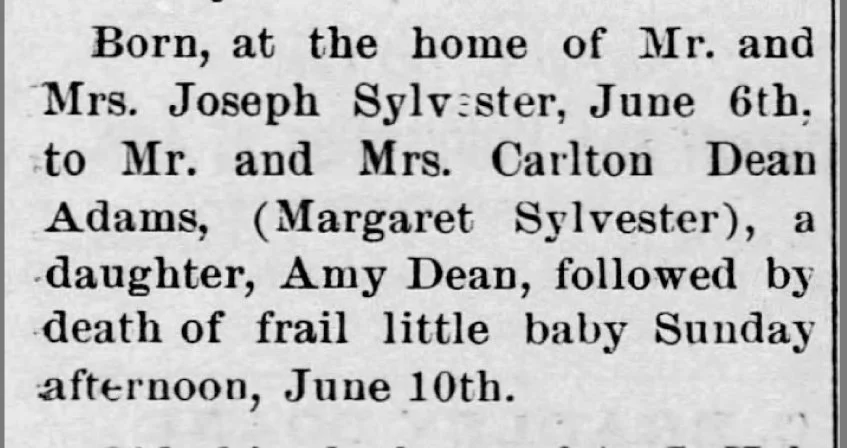
Because children sadly sometimes were born and died between censuses, these announcements can also tell you about children you may not have known existed.
This announcement shares the birth of my great-grandmother’s first baby, who died shortly after birth. (Springfield Reporter (Springfield, Vermont) · 21 Jun 1907, p. 8).
Marriage announcements
Marriage announcements can be surprisingly detailed.
Some include:
Parents of the bride and groom
Churches where the wedding took place
What the bride wore
Wedding attendants
Honeymoon destinations
Occupations
Those names can lead you toward siblings, cousins, and family friends you didn't know existed.
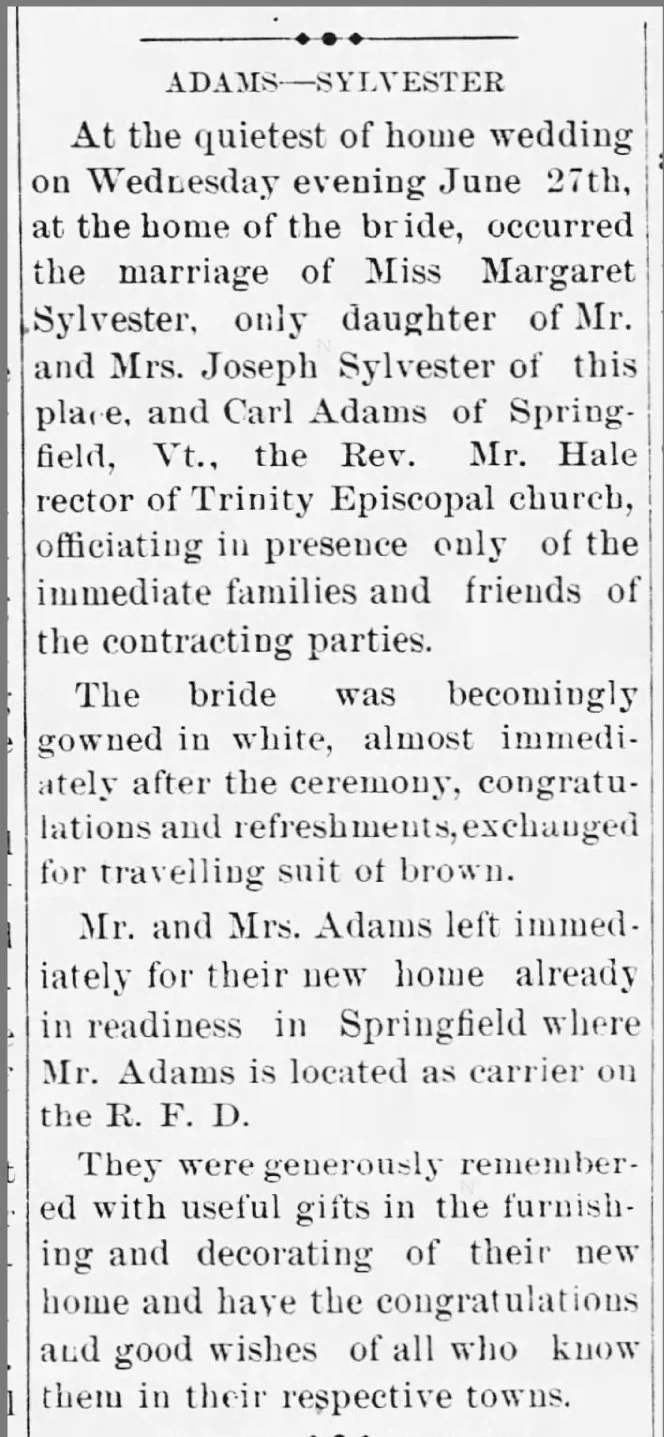
The announcement of my great-grandmother’s wedding shared that she was “becomingly gowned in white,” but after the ceremony changed into a “travelling suit of brown.” (Springfield Reporter (Springfield, Vermont) · 30 Jun 1905, p. 8.)
Obituaries
Most genealogists already know obituaries are valuable, but many people only copy the names into their family tree and move on.
Slow down.
Read every line carefully.
Many newspaper death notices and obituaries mention residences, occupations, military service, religious affiliations, clubs, surviving relatives, former hometowns, and even where someone was buried.
Each detail can point you toward additional genealogy records.
If you regularly search obituaries, my Obituary Extraction Worksheet walks you through every clue worth capturing so you don't miss anything the first time you read it.
Everyday local news
This is where historical newspapers really shine.
Small-town newspapers loved reporting everyday life.
You might find articles about your ancestor:
Visiting relatives
Hosting holiday dinners
Winning awards
Starting a new job
Moving across town
Returning home from military service
Celebrating anniversaries
Traveling
These stories help explain what life actually looked like for your family.
They become the ancestor stories that future generations actually enjoy reading.
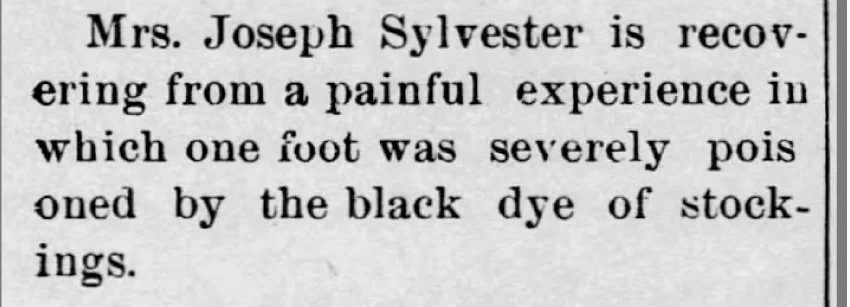
And some of these stories could be really unexpected. I found a mention that my 2x great-grandmother was recovering from being poisoned by her black stockings! (Springfield Reporter (Springfield, Vermont) · 21 Jun 1907, p. 8.)
Legal notices
Legal notices are easy to overlook, but they're packed with clues.
Watch for:
Probate notices
Estate settlements
Land sales
Business announcements
Tax notices
These articles often point you toward records you may never have considered searching.
Accidents, disasters, and crimes
Life wasn't always easy, and newspapers documented both good and difficult moments.
You may find articles about:
House fires
Floods
Railroad accidents
Workplace injuries
Court cases
Missing people
Storm damage
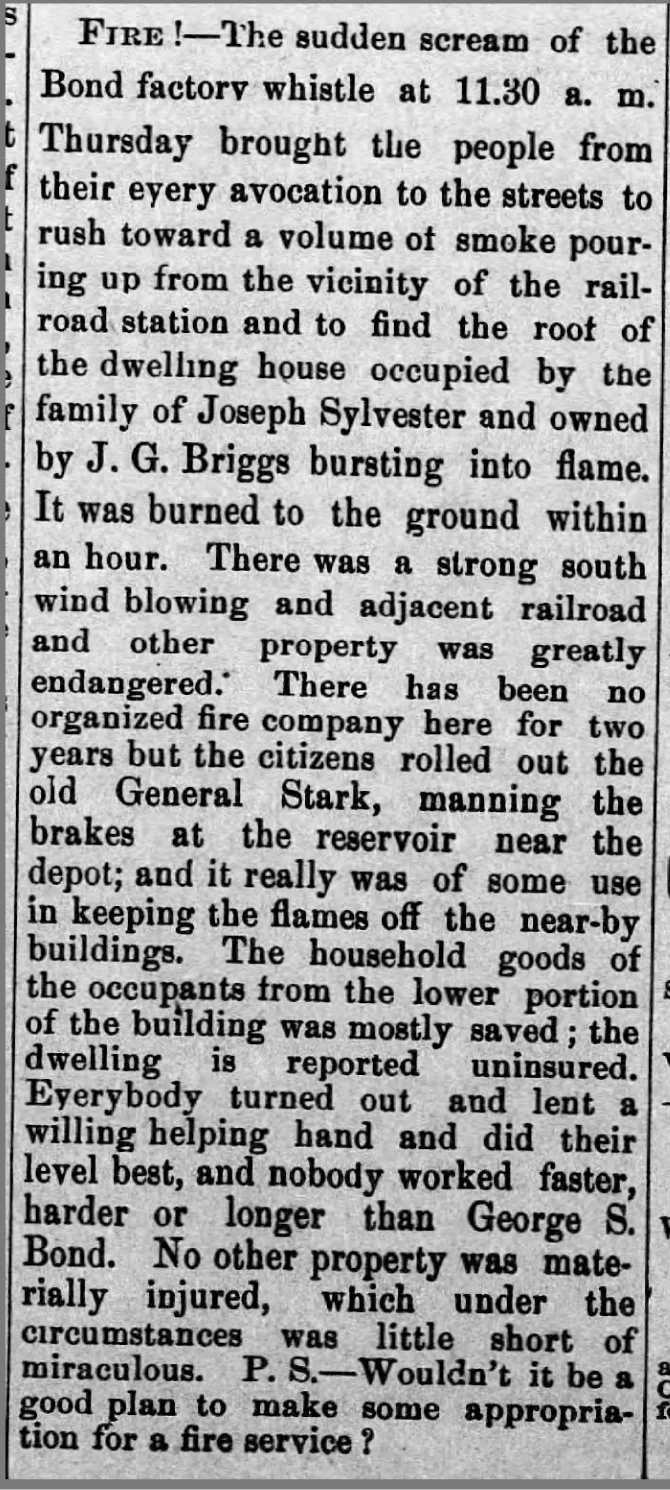
As I already mentioned, I've found newspaper articles describing ancestors losing homes to fires, and those discoveries helped me better understand what they lived through.
This article shares how my 2x great-grandfather’s house burned totally to the ground, soon after my great-grandmother was born. It also advocates for having a fire department in town, which could have saved his house. (Springfield Reporter (Springfield, Vermont) · 26 May 1893, p. 4.)
Those aren't details I would've learned from a census record alone.
Newspapers Can Help Break Through Brick Walls
Sometimes a newspaper article answers the exact question you've been trying to solve.
Other times, it simply gives you one small clue.
That clue might mention a church.
Or a former hometown.
Or a sibling you didn't know about.
Or even a business partnership.
One tiny detail can send your research in an entirely new direction.
That's why I never treat newspapers as isolated records. I use them to build a list of new records to search next.
If you're working through a stubborn research problem, my Genealogy Records Workbook helps you track the records you've already searched while identifying new record types you may have overlooked, including newspapers.

Tips for Searching Historical Newspapers More Successfully
Searching historical newspapers isn't always straightforward.
A few strategies can make a big difference.
Search using nicknames and initials.
Search only for a surname when appropriate.
Search without quotation marks if you're getting few results.
Search nearby towns where family members lived.
Try searching for family members instead of your direct ancestor.
Search occupations, businesses, churches, schools, or organizations connected to your ancestor.
Browse issues manually when searches come up empty.
Remember that many historical newspaper archives rely on OCR technology. If the software couldn't accurately read the printed text, your ancestor's name may not appear correctly in the search results.
Don't Stop After The First Article
Finding one newspaper article is exciting.
Finding twenty is even better.
When I locate an article about an ancestor, I immediately search again using every name, place, organization, and event mentioned.
That one article often leads me to several more.
It's a little like pulling on a loose thread. You never quite know where it will lead.
Newspapers Are Just The Beginning
As valuable as historical newspapers are, they're only one piece of your research.
One newspaper article should encourage you to look for additional records.
That might include probate files, church records, land deeds, court records, military records, school records, or archival collections.
In fact, only a small percentage of genealogy records have been digitized. Many records still live in archives, libraries, and historical societies waiting to be discovered.
If you reach the point where you need records that aren't available online, don't forget that many archives will provide research assistance or copies of records for a fee. And if you'd rather have someone else handle those requests, I'd be happy to help.
Whether you need five hours of focused research or a larger project, I offer personalized genealogy research services designed to help you continue moving forward.
And if you're doing your own newspaper research, don't forget to grab Newspaper Nuggets, the Obituary Extraction Worksheet, and the Genealogy Records Workbook. Together, they'll help you organize your discoveries, capture every clue, and identify your next research steps so those wonderful newspaper finds keep leading to even more family discoveries.